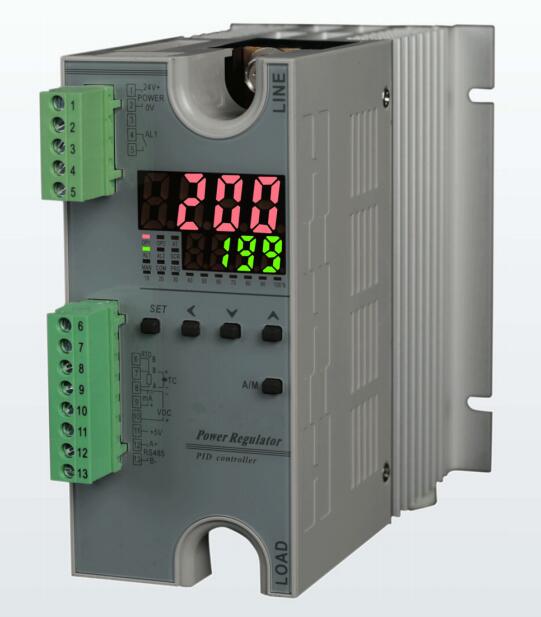
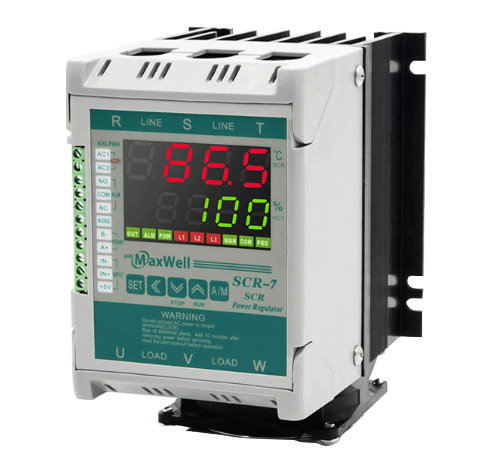
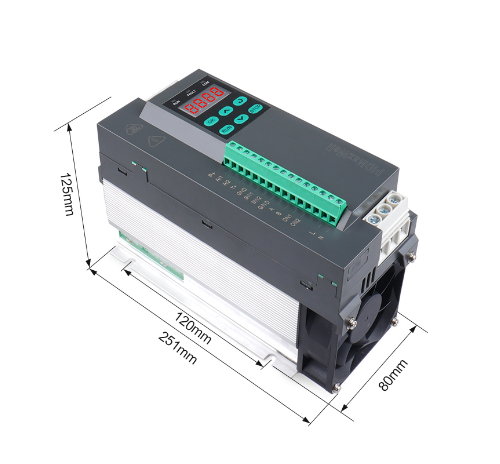
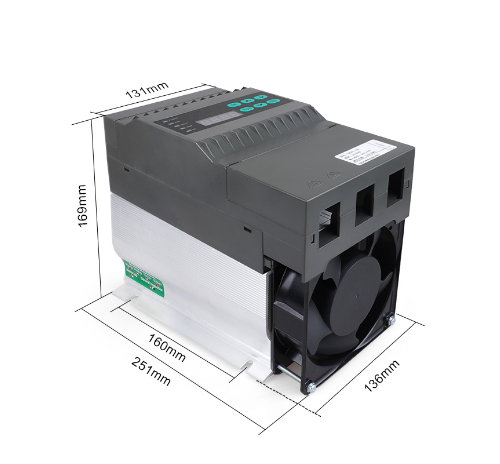
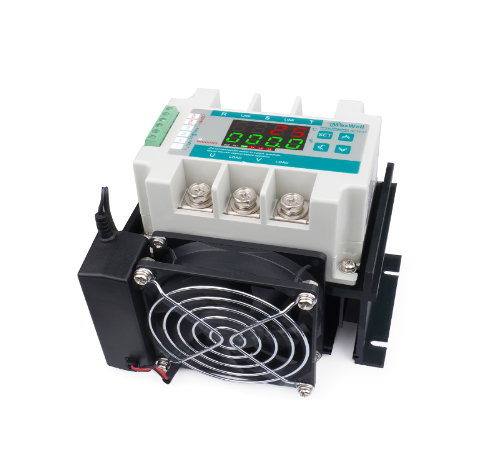
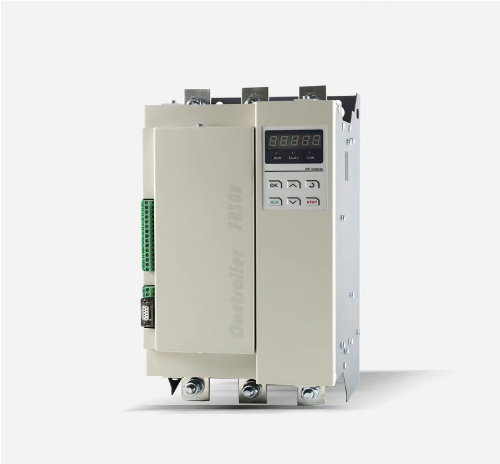
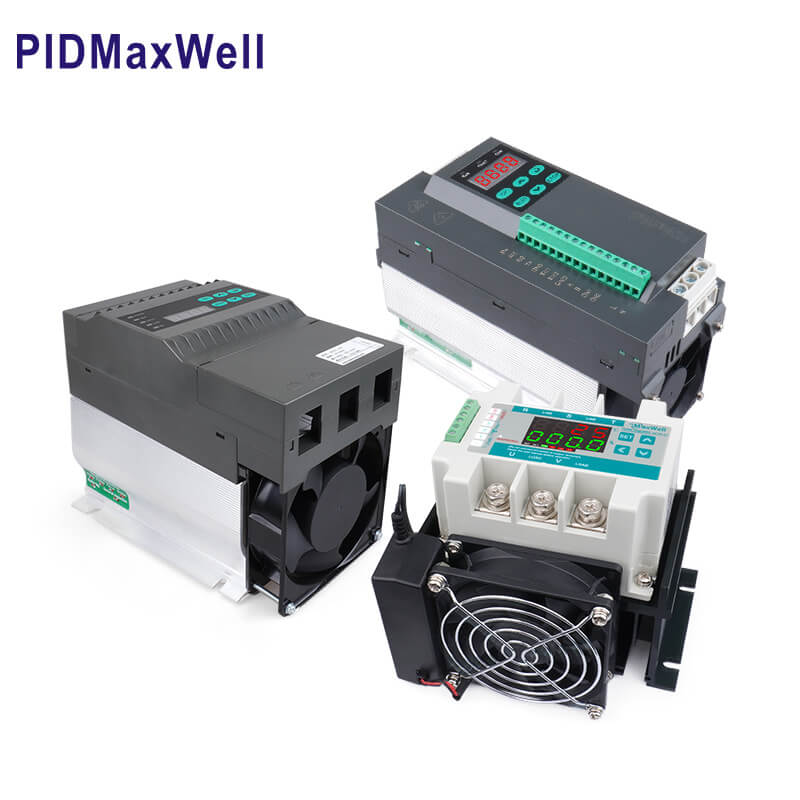
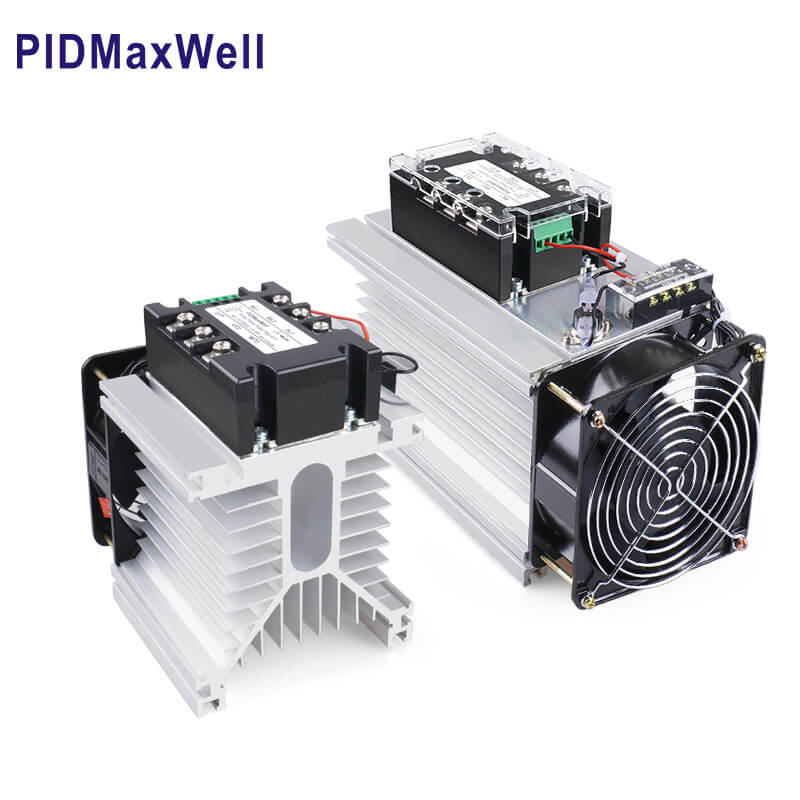
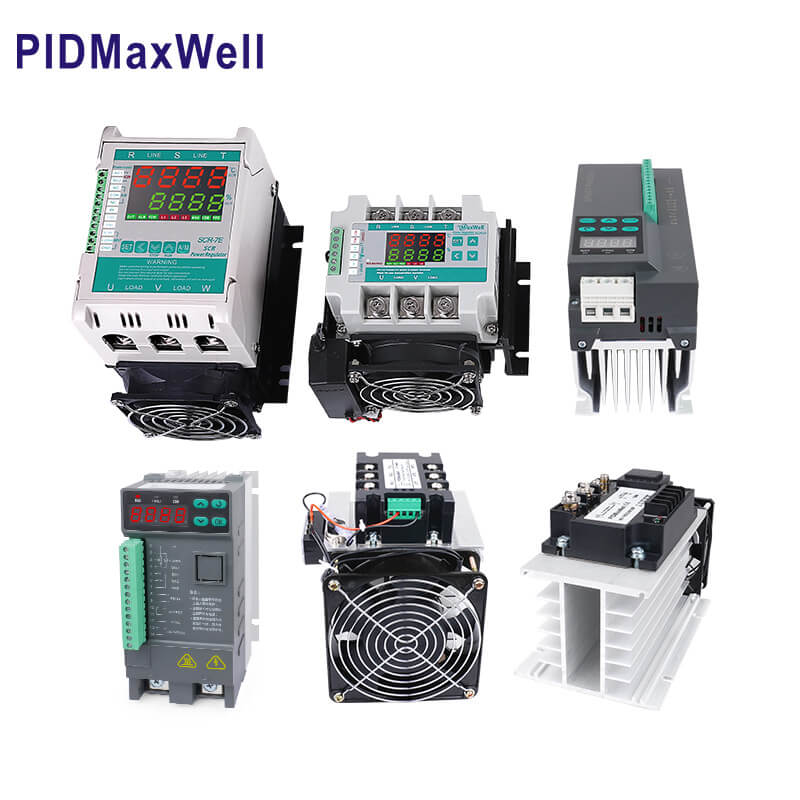
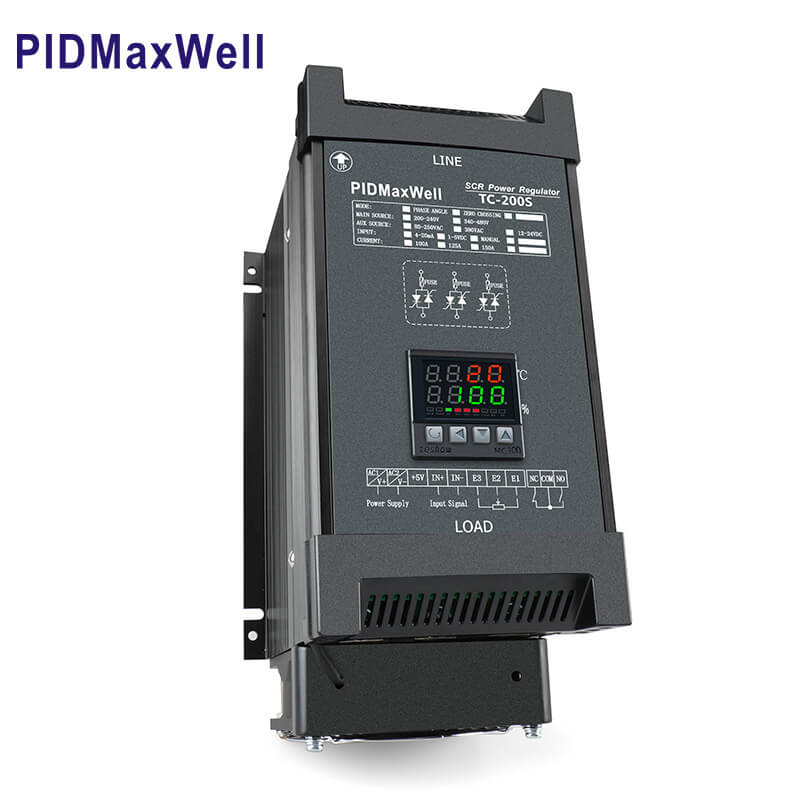
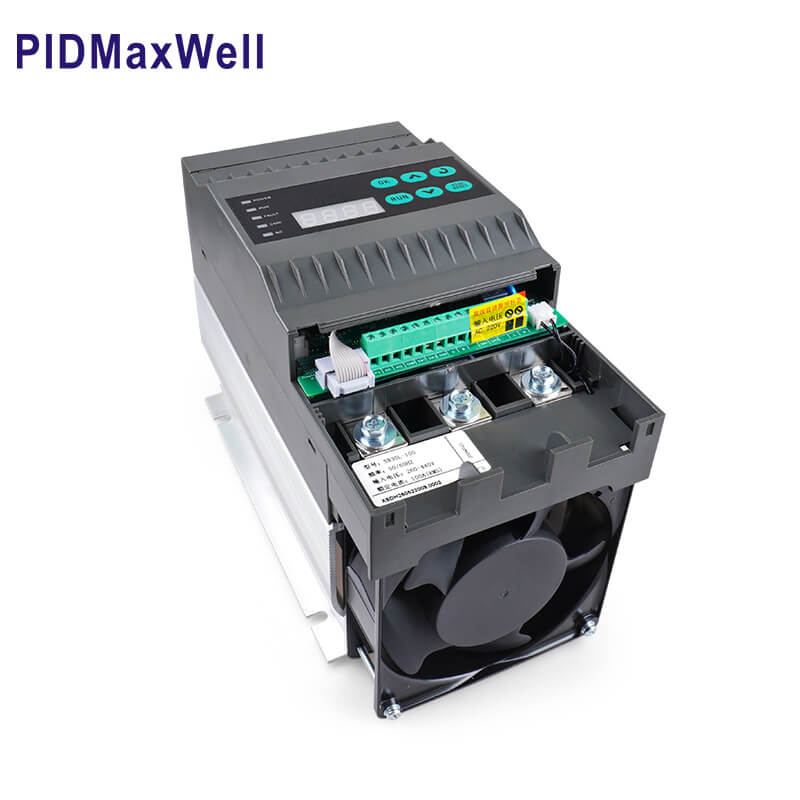
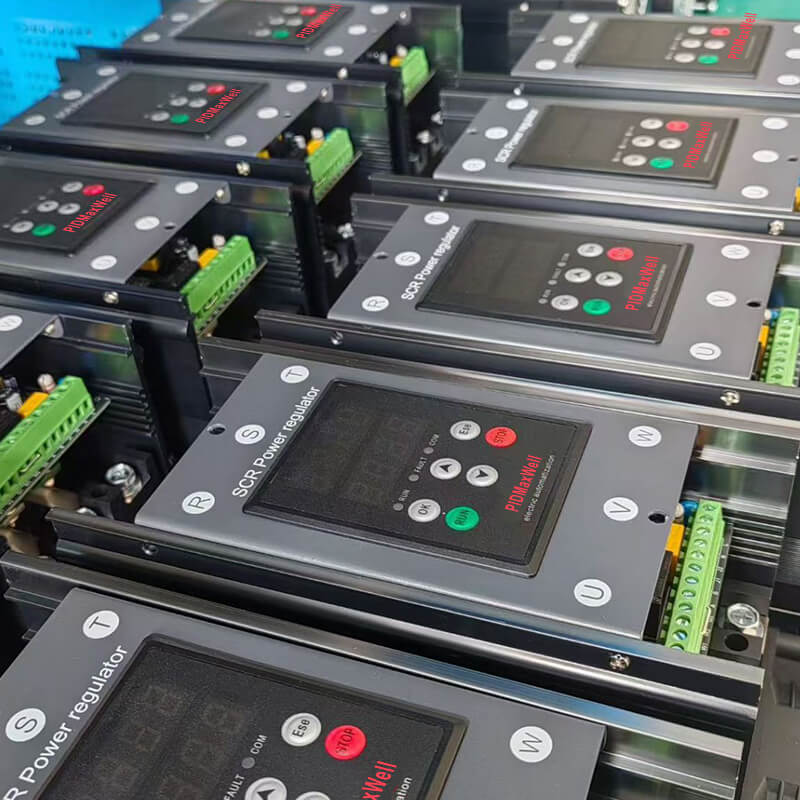
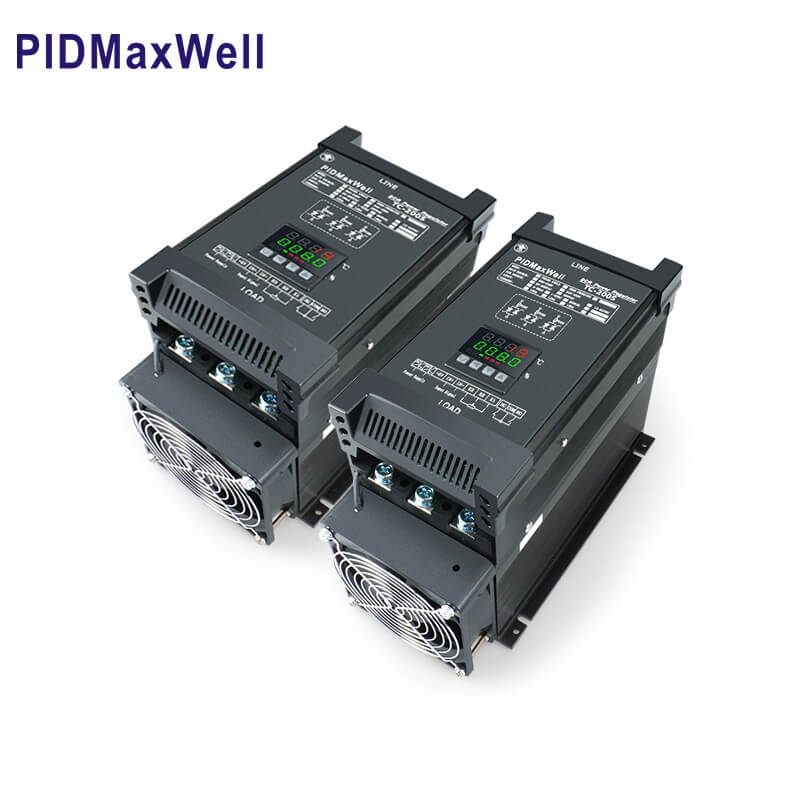
What can power regulators be used for? we are going to cover this topic today. Power regulators can be widely used in the following areas: 1. Electric furnace industry: annealing furnace, drying furnace, quenching furnace, sintering furnace, crucible furnace, tunnel furnace, melting furnace 2. Machinery and equipment: packaging machinery, injection molding machinery, heat shrink machinery, kneading machinery, food machinery, tempering equipment, plastic processing, infrared heating 3. Glass industry: glass fiber, glass molding, glass melting, glass printing, float glass production line, annealing tank 4. Automobile industry: spray drying, thermoforming 5. Energy-saving lighting: tunnel lighting, street lighting, photography lighting, stage lighting 6. Chemical industry: distillation and evaporation, preheating system, pipeline heating, petrochemical industry, temperature compensation.
There are a lot of old kiln made back in the days around the world where they have outdated analog controller, our MF43HYC touch screen kiln controller is a perfect solution to convert your old kiln into a 21st century PID controlled kiln, the touch screen makes it easy to create a firing plan for your kiln, you can do it on the device itself, Like Your Smartphone the new kiln controller navigates with just a touch of a finger and allows us to guide you through programming with full sentences, helpful icons, and dynamic navigation. If that is not easy enough for you, you can access to the controller remotely from your cellphone or PC and program it on your cell phone and PC, or we can access the controller remotely from here in China to help your with the programming from China even if you are in different country as long as you have the internet access, another valuable addition is the datalogging feature where you can download data to your PC for future analysis purpose. You do...
How to choose proper SCR power regulator according to your application ? SCR power regulator is heavily used in industrial application particularly heating application, to choose proper SCR, several key factors needs to be take into consideration. 1)first thing first, figure out your source whether it is single phase or three phase, the single phase SCR is for single phase source, 3 phase SCR is for 3 phase source, like 3 phase 4 wires, 3 phase 3 wires etc. if the load is single phase, the process is quite simple, make sure you select a SCR with the current rating 2 times higher of the actual load. for example, if you have a heater with 20 amps and 240Vac load, the proper SCR would be 40 amps and 240~480Vac load2)PIDMaxwell SCR power regulator only works for resistive load, make sure your load is resistive load like a heater, electric heater, infrared heater etc3)Identify your source, the source would be 3 phase 380V 4 wires source, like in China, or 3 phase 4 wire 400V in german...
ON/OFF control mode is simplest form of automatic control mode, it's like a switch, either ON or either off. the rules is very simple, in a reverse control situation, when prorcess value is lower then the desirved, the output is fully on, when process value higher than the setting value, fully off. an analogy we often use is like driving the car from starting point to finishing line.In the situation of an ON/OFF control, you apply the full thrust and drive the car to the finishing line, and after the car cross the finishing line, you release the thrust and turn the engine off. the rule is very simple, the downside of this type of control mode is there will be significant overrun at the finishing line, it's impossible to stop on the finishing without overrun, in contrast, the PID control mode, the driver will observe carefully and calculate the distance and speed in relation to the finishing line, and gradually apply less thrust and maybe apply a little brake too to make sure the car st...
When selecting a three-phase power regulator, many customers focus first on total power—asking, "What size do I need?" based on the equipment's actual load wattage. While this approach isn't wrong, power rating alone isn't enough; we also need to consider voltage, current per phase, load type, the temperature controller's output signal, and the electrical cabinet's heat dissipation conditions. First, distinguish between single-phase and three-phase systems. Use a single-phase power regulator for 220V single-phase heating elements, but for 380V three-phase heating equipment—such as ovens, electric furnaces, heat treatment furnaces, or drying equipment—we must use a three-phase power regulator. Even if the total power is low, if the load is wired in a three-phase configuration, we cannot simply choose a single-phase unit for convenience; you must calculate the current based on three-phase requirements. The key factor is the current per phase. For instance, with a 380V, ...
In the daily operation of industrial heating equipment, almost every field engineer has encountered this scenario: the moment the start button is pressed, the circuit breaker in the power distribution cabinet trips immediately—the equipment "goes on strike" before it even begins to work. This happens frequently, especially when the equipment is starting from a cold state: the ammeter needle swings violently to the maximum, a dull "hum" might be heard from the contactor, and then everything goes dead. Faced with this predicament, many people’s first reaction is to suspect the circuit breaker is undersized, complain about unstable grid voltage, or blame the power regulator itself. However, seasoned veterans will tell you that the real culprit behind these frequent trips often lies in the massive inrush current that occurs the moment startup begins. To understand this phenomenon, one must look at the physical properties of electric heating elements. Whether it is common resist...